Plumber Oahu Services and Contractor Renewal Awareness
Finding the right plumber on Oahu is rarely just about who can arrive first. Speed matters when a pipe bursts or a water heater starts leaking, but there is a second layer that homeowners, property managers, and business owners often overlook until something goes wrong: licensing status, contractor compliance, and renewal timing.
That matters in Honolulu and across Oahu because plumbing work is regulated at the state and county level. In Hawaii, consumers can verify a plumber’s license status, expiration date, and disciplinary history through official state tools. The state also makes clear that electrical and plumbing contractors must employ licensed electricians and plumbers to perform the actual electrical or plumbing work. For customers, that is not paperwork for paperwork’s sake. It is a practical way to reduce risk before a job starts.
The title of this article points to two needs that often meet in the real world. One is straightforward service, whether you need leak detection, drain cleaning, sewer line repair, water heater repair, or a dependable commercial plumber. The other is renewal awareness, which sounds administrative until you are standing in a kitchen with the water shut off, trying to figure out whether the company you hired is properly credentialed and current.
Why renewal awareness belongs in the hiring conversation
When people search for a plumber near me, they usually focus on response time, price, and whether the company serves their neighborhood. Those are sensible first questions. But a licensed trade has another layer of accountability. In Hawaii, a plumber’s status is not something you have to guess at. Consumers can check it.
That becomes especially important in a market like Oahu, where many jobs range from small fixture issues to permit-driven work. The state advises hiring a licensed contractor for projects over $1,500 in labor and materials, or for any project that requires a building, electrical, or plumbing permit. Honolulu’s permitting guidance also states that all electrical and plumbing work must be performed by contractors licensed by the State of Hawaii. If a project reaches that threshold, or if a permit is involved, license status is not a side issue. It is part of the job.
I have seen the customer side of this hesitation many times. A person calls because a toilet backs up repeatedly, or a water heater is dripping, or a line in the wall seems to be leaking. The first instinct is often, “I just need someone today.” Fair enough. But the better approach is usually, “I need someone today, and I need to know they are properly licensed for what they are touching.” Those two goals can and should exist together.
Renewal awareness also matters because licenses are not permanent one-time approvals. Hawaii’s contractor renewal information says contractor licenses renew by September 30 of every even-numbered year. For the 2026 to 2028 period, on-time renewals are accepted from August 10, 2026 through September 30, 2026. That is a real deadline with real implications. If you are hiring around renewal periods, especially for a larger project, it is worth checking that status rather than assuming everything is current because the truck lettering looks professional.
The difference between service quality and legal eligibility
Customers often blend these together, but they are not the same thing. A https://edwinajnp308.talesignal.com/posts/plumber-oahu-hiring-guide-for-licensed-plumbing-work person may be friendly, arrive on time, and communicate well. Those are signs of professionalism. They are not proof of licensing. On the other side, a company may be fully compliant yet still not be the best fit for your particular issue if they do not specialize in certain kinds of work or if they are stretched too thin to respond quickly.
The best hiring decisions tend to weigh both. If you need a plumber Honolulu residents can trust for a permitted remodel, a water line issue, or commercial work, legal eligibility is foundational. If you need an emergency plumber for an urgent leak, you still want that same foundation, because urgent situations are when people are most vulnerable to cutting corners.
This is one reason the phrase plumber Oahu should mean more than geographic coverage. It should suggest familiarity with local permitting expectations, respect for state licensing rules, and an understanding that inspections exist for a reason. The City and County of Honolulu Plumbing Code states that plumbing and drainage work authorized by permit is inspected for compliance. Inspection is not an inconvenience added after the fact. It is built into the system.
What customers should verify before approving work
A little checking upfront can prevent much larger trouble later. This is especially true when the job is expensive, permit-related, or disruptive to a home or business.
- Verify the plumber’s state license status, expiration date, and any disciplinary history through Hawaii’s official license search tools.
- Ask whether the scope of work will require a plumbing permit or cross the state’s $1,500 threshold for labor and materials.
- Confirm that the actual plumbing work will be performed by licensed plumbers, as required by the state.
- If the project is commercial or part of a larger remodel, ask who is responsible for permit coordination and inspection compliance.
- Keep copies of estimates, scope descriptions, and any permit-related paperwork tied to the job.
That is a short list, but it covers the issues that most often separate a smooth project from a stressful one. Notice that none of these items are exotic. They are not legal traps. They are baseline checks that help you know who is entering your property and what standards govern the work.
The local reality of plumbing service on Oahu
Plumbing on Oahu includes everyday service calls and bigger projects that affect walls, floors, businesses, and tenant schedules. A simple search for a plumber near me may pull up dozens of options, but the real distinction comes from matching the service call to the contractor’s qualifications and obligations.
Take drain cleaning. Many people assume it is always a simple maintenance visit. Sometimes it is. Sometimes a clogged line is exactly that, a line that needs to be cleared and evaluated. But recurring backups can point to a broader drainage issue that calls for more than a quick pass through the pipe. This is where a homeowner benefits from asking careful questions and from working with a licensed professional who can assess whether the problem is routine or whether it may connect to permitted work, repair planning, or inspection requirements later on.
The same is true for sewer line repair. The phrase sounds singular, as if one diagnosis leads to one fix. In reality, sewer-related work often has a wider footprint in cost, access, and coordination. Even without speculating about methods or timelines, it is obvious why licensing and permit awareness matter here. A sewer problem can affect habitability, business operations, and neighboring spaces. It is not the category of work where anyone should rely on vague assurances.
Water heater repair falls into a similar middle ground. A leaking water heater may begin as a service call with visible symptoms, moisture around the unit, loose connections, or corrosion concerns. The EPA’s WaterSense guidance recommends regularly inspecting water heaters for leaks, loose connections, corrosion, and other issues. That is sensible advice for owners because small visible signs often give you the earliest chance to act. Yet once a contractor begins evaluating or repairing the system, homeowners still need to think about who is doing the work and whether any permit obligations apply.
Emergency calls change the tempo, not the standards
An emergency plumber enters the picture when there is immediate damage risk, active leaking, or loss of essential use. In those moments, no one wants a lecture about administration. They want action. Still, emergency work does not erase state requirements.
If anything, emergencies are when consumers most need clear thinking. A fast answer to the phone is helpful. A realistic arrival window is helpful. So is calm communication about what can be done immediately to stabilize the situation and what may require follow-up, permits, or additional coordination. But under pressure, people often forget to ask the basic question: is this contractor properly licensed and current for the work they are taking on?
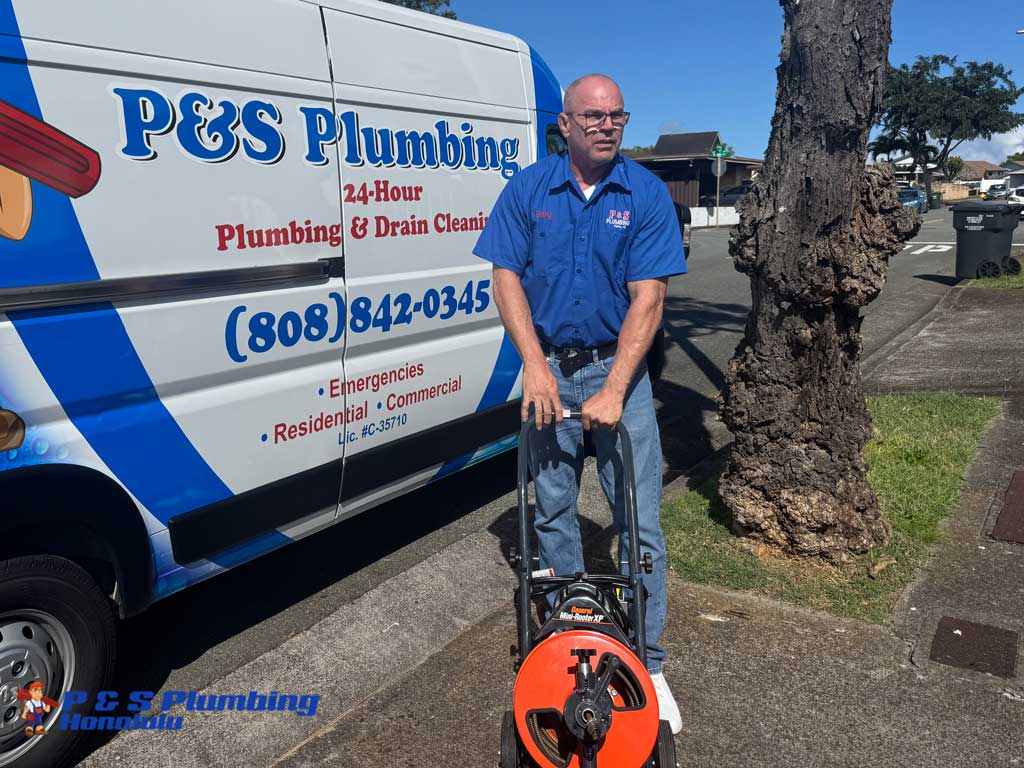
That question is not cynical. It is practical. Oahu residents deal with real property costs and real consequences when repair work is mishandled. Water moves fast. Damage spreads beyond the first wet spot. If a contractor opens walls, alters systems, or initiates work that falls into regulated territory, the customer should know exactly who is responsible.
This is where contractor renewal awareness becomes unexpectedly relevant during emergency service. If a company’s renewal status has lapsed, a customer may not discover that until insurance questions, permit questions, or billing disputes arise. By then, the urgency of the leak is long over, but the paperwork problem remains. A one-minute verification step before approval can spare a lot of trouble.
Honolulu permitting is not a side note
Some customers hear the word permit and immediately think of major additions or new construction. Plumbing permits reach a wider range of projects than many people assume, and Honolulu’s own guidance reinforces how plumbing fits into overall project valuation. The city notes that permit valuation includes plumbing, heating, air conditioning, and other permanent work when calculating fees.
That detail matters because people sometimes underestimate the real scope of a project. They look at one fixture, one line, one replacement task, and think only in isolation. But from a regulatory standpoint, the plumbing component is part of the permanent work and part of the valuation picture. If you are comparing bids, make sure you are comparing the same scope. A lower number can reflect a leaner approach, but it can also reflect omissions, including permit-related assumptions that were never made explicit.

For homeowners, the takeaway is simple. If the project is substantial, if walls or permanent systems are involved, or if total labor and materials exceed the state threshold, discuss licensing and permit responsibility early. That does not slow the job down. In many cases, it prevents delays later.
Continuing competency is not just a formality
There is another piece of renewal awareness that deserves attention because it speaks directly to professional standards. Hawaii’s plumber renewal requirements currently require licensed plumbers on active status to show proof of continuing competency in the 2021 Uniform Plumbing Code for the licensing period running from July 1, 2024 to June 30, 2027.
For customers, that detail offers something more meaningful than a checkbox. It signals that active license renewal is tied to demonstrated continuing competency, not simply the payment of a fee. In plain terms, the state expects licensed plumbers to stay current with the applicable code basis identified for that period.
That should reassure customers, but it should also sharpen their hiring habits. If continuing competency matters at the state level, it should matter at the kitchen table when you are deciding whom to authorize. A homeowner may not need to know every code section. A property manager may not need to read the full plumbing code before replacing a failed component. But they should care whether the person doing the work remains actively licensed under a system that requires ongoing competency for renewal.
This is especially relevant for projects where “good enough” is a dangerous standard. Leak detection, for example, can appear simple from the customer’s point of view because the symptom is often visible water or an unexplained bill increase. Yet locating the source and understanding the proper repair path can quickly move beyond guesswork. Customers benefit when the work is approached by someone operating under current licensing expectations rather than by someone whose status is uncertain or outdated.

Commercial jobs raise the stakes
A commercial plumber works in a setting where plumbing problems can affect revenue, tenant expectations, operating hours, and compliance obligations all at once. In that environment, contractor renewal awareness is not just prudent. It is part of risk management.
A restaurant, office, retail space, or multifamily property cannot afford much ambiguity around who is authorized to perform regulated work. Commercial decision-makers also tend to encounter broader scopes, multiple trades, and permit coordination more often than single-family homeowners. That makes the state’s guidance especially relevant: electrical and plumbing contractors must employ licensed electricians and plumbers to perform the actual work.
For a business owner or property manager, that should shape the questions asked before issuing a work order. Who is licensed? Who is actually performing the on-site plumbing work? Is the contractor’s status current? Does the planned work trigger permits or inspections? If the project falls near a renewal deadline, has the license been renewed for the new period?
These are not abstract concerns. Commercial spaces are less forgiving when work interrupts occupancy or tenant use. A problem that would be an inconvenience in a home can become a contractual headache in a business setting. Proper licensing does not guarantee a perfect project, but it sets a baseline for accountability that commercial clients should not waive.
How homeowners can spot when a “small job” may deserve a deeper look
Not every plumbing issue starts large. A damp cabinet under a sink, a heater pan with water, or a slow drain can look minor on day one. The mistake is assuming the visual size of the symptom always matches the significance of the underlying problem.
The smarter response is to treat the first sign as a point of decision. Do you need a straightforward service visit, or are you seeing clues that could lead to broader repair? Leak detection and water heater repair are two good examples. Early signs may be subtle, but they can justify prompt professional attention. The EPA’s recommendation to inspect water heaters for leaks, loose connections, corrosion, and related issues is useful precisely because these are visible indicators that nonprofessionals can often catch.
Once you notice them, the next move should be deliberate rather than reactive. You want a plumber Honolulu property owners can verify, not just a name from a search result. You want clear communication about whether the issue appears limited or whether it points to something requiring additional work, permits, or follow-up inspection. The earlier that distinction is made, the easier it is to manage cost, scheduling, and expectations.
A practical way to talk with a plumber before work starts
Most customers do not need a script, but they do benefit from a few direct questions that reveal whether the contractor is organized, compliant, and transparent.
- Is your Hawaii license current, and can I verify it through the state search tool?
- Will this job require a plumbing permit, or does it exceed the state threshold for licensed-contractor involvement?
- Who will perform the actual plumbing work on site?
- If this becomes a larger repair, how will permitting and inspection be handled?
- Are there any visible warning signs I should monitor before the work begins or after it is completed?
A solid professional should be able to answer these calmly and clearly. Evasion is useful information too. Customers often worry about sounding distrustful when they ask licensing questions. They should not. In a regulated trade, verification is normal.
The value of slowing down just enough
There is a tension in plumbing service that anyone who has dealt with an urgent leak will recognize. You need movement, but you also need judgment. Move too slowly and damage spreads. Move too quickly without verification and you may create a different kind of problem.
The balance is to slow down just enough to confirm the essentials. On Oahu, that means understanding that state licensing can be verified, that contractor renewals follow a defined cycle, that active licensed plumbers currently renew under continuing competency requirements tied to the 2021 Uniform Plumbing Code for the present licensing period, and that Honolulu expects permitted plumbing and drainage work to be inspected for compliance.
That is not red tape from a consumer’s point of view. It is the framework that separates a professional plumbing market from a free-for-all. When people search for plumber Oahu, they are not only looking for someone with tools. They are looking for someone who can enter a regulated environment, perform work within that environment, and leave the property in a better, safer, and more defensible position than they found it.
That is the real connection between service and renewal awareness. Whether you need drain cleaning in a condo, sewer line repair at a commercial site, leak detection in a single-family home, or an emergency plumber after hours, the job does not exist outside the licensing system. Knowing that, and using it, is one of the simplest ways to hire more confidently in Honolulu and across Oahu.